
Understanding the Basics: What Are You Actually Loading Into Your Rifle?




Rifle Ammo Explained: Types, Calibers, and Ballistics to Know
Rifle ammo is basically a precision-engineered punch you load into a firearm, combining a bullet, gunpowder, and primer inside a brass case. When you pull the trigger, the primer ignites the powder, creating hot gas that launches the bullet down the barrel at lightning speed. That speed gives you flat trajectories and hard-hitting energy, making it perfect for long-range accuracy and hunting. To get the best results, just match your bullet weight and type to your rifle’s twist rate and your intended target. Matching the right ammo to your rifle is the single biggest factor in shot-to-shot consistency.
Understanding the Basics: What Are You Actually Loading Into Your Rifle?
Understanding the basics of rifle ammo means knowing the four components you load: the case, primer, propellant, and projectile. The case holds everything together; its dimensions and .32 Win Special Ammo for Sale material dictate chamber fit and pressure limits. The primer is the ignition source, a small shock-sensitive compound that, when struck, generates flame to ignite the powder. Propellant, a chemical compound, burns in a controlled manner to produce gas expansion. The projectile’s weight, shape, and construction determine trajectory and terminal effect. Overlooking any one detail—like seating depth or powder charge—changes the entire firing cycle.
Every round you load is a precise system where a tiny variance in powder weight or bullet seating can affect pressure, accuracy, and function.
Verify your cartridge’s overall length and bullet profile against your rifle’s magazine and throat before chambering.
Anatomy of a Cartridge: Case, Primer, Powder, and Bullet Explained Simply
A rifle cartridge is a single, self-contained unit with four essential parts. The brass case is the container that holds everything together and seals the chamber upon firing. Seated in the case base is the primer, a small shock-sensitive pellet that ignites when struck by the firing pin. This flame travels through the flash hole to ignite the powder—a fast-burning propellant that creates high-pressure gas. That expanding gas pushes the bullet, the projectile seated at the case mouth, down the barrel. Each component has a precise job: case holds, primer ignites, powder propels, and bullet delivers.
Caliber vs. Cartridge: Why the Numbers on the Box Matter More Than You Think
Caliber describes the bullet’s diameter, but the cartridge—the complete case, primer, powder, and projectile—dictates pressure, overall length, and chamber fit. You can have a .308 Winchester and a 7.62×51mm with near-identical bullet diameters, yet swapping them blindly risks unsafe headspace or pressure spikes. The numbers on your box—like 6.5 Creedmoor versus 6.5 PRC—reveal case capacity and velocity potential, so **matching the exact cartridge stamp to your rifle’s barrel** is non-negotiable. A .223 Remington will not safely fire in a 5.56 NATO chamber intended for higher pressures, despite similar dimensions. Always read the full designation, not just the caliber, before loading.
Caliber is just the bullet width; the cartridge number defines safe pressure, case length, and chamber compatibility—get it wrong, and your rifle pays the price.
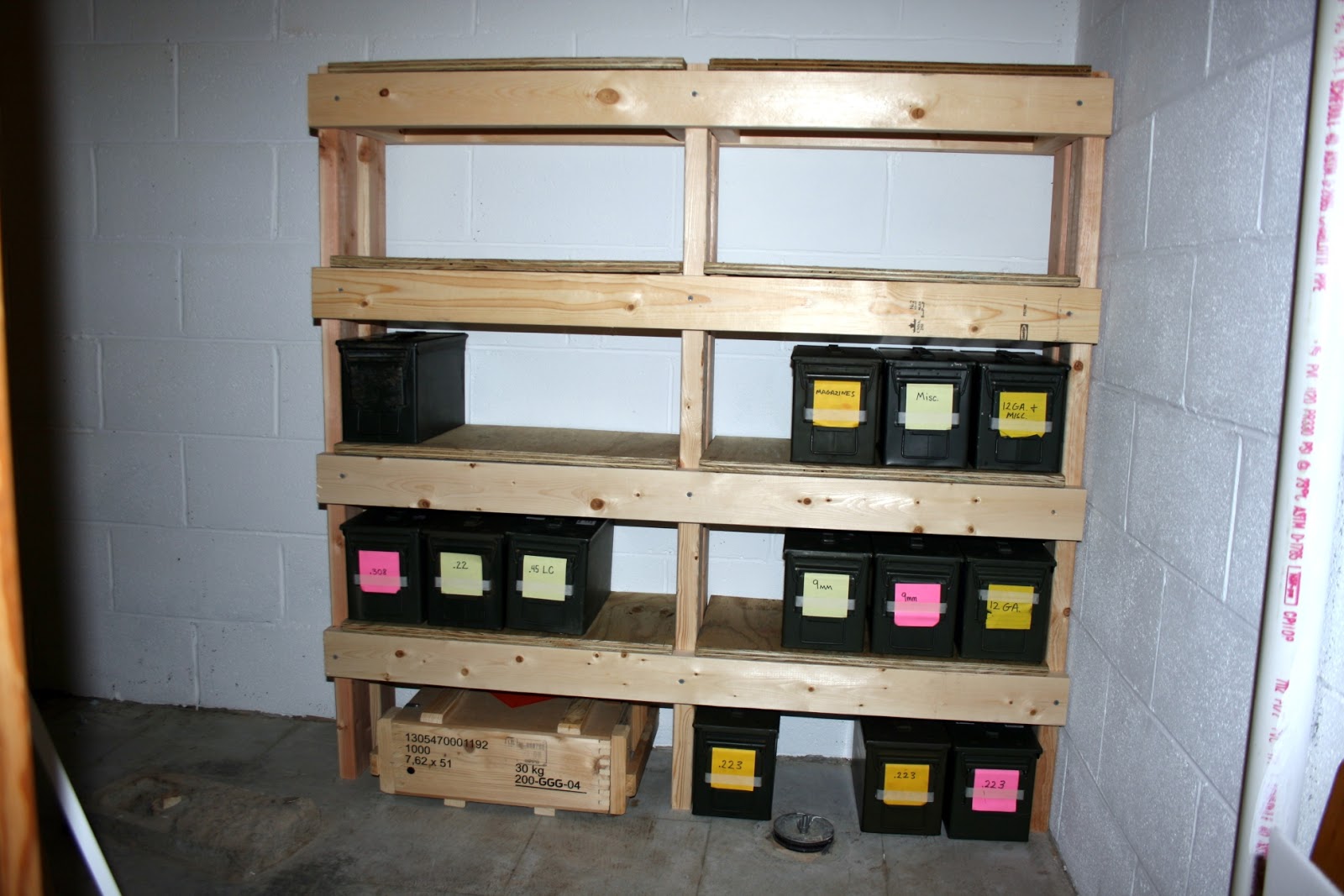
Rimfire vs. Centerfire: Key Differences That Affect Performance and Reloading
The most fundamental split in rifle ammunition is the primer location, which dictates both performance and reloading viability. Rimfire cartridges have the priming compound spun inside the hollow rim, so the firing pin must crush this thin edge. This design limits pressure and prevents reloading, as the case is destroyed upon ignition and components are not sold. Conversely, centerfire cases house the primer in a central, replaceable pocket. This robust construction handles much higher pressures, yielding flatter trajectories and better terminal ballistics. Crucially, you can reload centerfire brass dozens of times by simply seating a new primer, while rimfire cases are single-use. Your choice directly impacts cost-per-round and maximum effective range.
How to Match Your Ammunition to Your Specific Rifle and Purpose
Matching ammunition to your specific rifle begins with verifying the cartridge designation stamped on the barrel, then consulting the manufacturer’s twist-rate and chamber specs to select bullet weights that stabilize properly. For hunting, prioritize controlled-expansion projectiles with sufficient energy for your target’s size, while precision shooting demands match-grade bullets with consistent concentricity. Test at least three loads from different brands, firing five-shot groups at your intended distance, and record which yields the tightest grouping and reliable feeding. Check the spent brass for pressure signs like cratered primers or ejector swipes, as pressure spikes vary between lots. Chronograph your chosen load to confirm velocity matches your ballistic calculations. Should you always stick to one load once found? Yes, because barrel throat wear and point-of-impact shift with bullet profile changes, so re-zero after any alteration.
Breaking Down Bullet Types: Full Metal Jacket, Hollow Point, and Soft Point Uses
Choosing the right projectile comes down to terminal behavior. Full metal jacket (FMJ) rounds feature a lead core fully encased in copper, promoting deep penetration and reliable feeding—ideal for target practice and competition where over-penetration is a secondary concern. Hollow points expand upon impact, transferring energy rapidly and reducing pass-through risk, making them a top choice for defensive or hunting applications on smaller game. Soft points offer a controlled expansion compromise, maintaining weight retention for deeper penetration on medium to large game like deer or hogs. Match the bullet’s expansion characteristics to your target’s size and your required stopping power.
Q: When should I choose a soft point over a hollow point for hunting?
A: Choose a soft point when hunting thicker-skinned game or when you need reliable expansion at longer ranges, as its bonded core often holds together better than a hollow point’s thinner jacket.
Grain Weight and Velocity: How Heavier or Lighter Projectiles Change Trajectory and Recoil
Grain weight directly dictates muzzle velocity, and this trade-off reshapes both trajectory and recoil. A lighter projectile, say 55-grain in .223, leaves the barrel faster, producing a flatter arc 6.8 SPC Ammo for Sale at close-to-mid ranges, but wind pushes it around more easily. Heavier projectiles, like 77-grain, fly slower initially, yet their momentum retains energy better, requiring more elevation compensation but bucking wind effectively. Recoil scales with projectile mass, not velocity alone: a heavy bullet delivers a sharper, more sustained shove, while a light bullet yields a snappier, milder kick. *Selecting grain weight is always a compromise between flatness and wind resistance, not a pure speed gain.* Match grain to your target distance and your tolerance for recoil.
Q: How does switching from a 55-grain to a 77-grain projectile change your zero?
You must re-zero: the heavier bullet drops more at 100 yards due to slower velocity, so your point of impact shifts low, and you’ll need more elevation adjustment for longer ranges.
Matching Ammo to Barrel Twist Rate for Optimal Accuracy and Stabilization
Your barrel’s twist rate—the inches per full rotation, like 1:7 or 1:12—dictates which bullet weights stabilize best. A faster twist (1:7) spins heavier, longer projectiles properly, while slower twists (1:12) favor lighter, shorter bullets for peak accuracy. If your ammo’s bullet is too heavy for the twist, you’ll see keyholing or tumbling; too light, and it may not stabilize, causing flyers. Check your barrel’s stamped rate, then match bullet length, not 6.5×55 Swedish Ammo for Sale just weight, to generate enough gyroscopic spin. This is **the core of matching ammo to barrel twist rate for optimal accuracy and stabilization. When in doubt, consult your rifle’s manual or test a few weights at the range—tiny adjustments here tighten groups significantly.
| Twist Rate | Best Bullet Weight (Typical .223) | Result |
|---|---|---|
| 1:12 | 55 gr or lighter | Stable, tight groups |
| 1:9 | 62–69 gr | Versatile medium |
| 1:7 | 75–80 gr | Optimal for long, heavy slugs |
Practical Selection Tips for Beginners: Buying Your First Boxes Without Overthinking
For your first rifle ammo purchase, match the cartridge to the exact caliber stamped on your barrel, and buy one box of standard, full-metal-jacket loads from a reputable brand. Ignore specialty hunting rounds or match-grade options initially; your goal is simply reliable function for range practice. Check the twist rate in your manual—if you own a 1:7 twist barrel, a 62-grain bullet will stabilize better than a 55-grain, but either works to start. Focus on budget-friendly practice ammo with a plain copper jacket and lead core, as these cycle flawlessly in most rifles. Limit your choice to the two most common bullet weights available locally, buying one box of each. Shoot a few rounds, see which groups better at 50 yards, and stick with that for your next purchase—no need to chase ballistic charts yet.
Reading the Box Label: What Every Number, Letter, and Abbreviation Tells You
The box label is your first and most reliable data source. The bold caliber designation, such as .223 Remington, dictates chamber compatibility, while the grain weight (e.g., 55gr) indicates bullet mass, affecting trajectory and recoil. Abbreviations define construction: “FMJ” means full metal jacket for practice, “SP” signals soft point for expansion, and “BT” denotes boat-tail for long-range stability. Numerical velocity (fps) and energy (ft-lbs) reveal terminal performance, while “Muzzle” versus “BC” (ballistic coefficient) clarifies drag and drop. Always cross-reference the cartridge name with your rifle’s stamped chamber, as suffixes like “+P” or “Match” alter pressure and precision expectations.
Budget-Friendly Choices for Target Practice vs. Premium Rounds for Hunting
For the range, grab budget-friendly FMJ or bi-metal options—they’re reliable, accurate enough at 100 yards, and let you burn through hundreds of rounds without flinching at the cost. Premium hunting rounds, however, justify their price only when you’re sighting in for a hunt or taking a shot at a living target; their controlled expansion and bonded cores save you from tracking a wounded animal. Cheap 6.5x57R Ammo for Sale ammo can still group tightly, but it often loses velocity and consistency past 200 yards, which matters less for paper than for game. Prioritize your
- Practice with bulk soft-points if you can’t afford two separate loads
- Zero with the exact premium round you’ll hunt with
- Save match-grade or copper solids for ethical kill shots only
- Test a box of each before committing to a case
Your wallet and your freezer will thank you.
How to Buy in Bulk Safely and Evaluate Ammo Condition Before Loading
When buying rifle ammo in bulk, prioritize sealed, factory-fresh lots from reputable dealers to avoid corrosion and inconsistent powder charges. Before loading, inspect every cartridge visually: reject any with dings, torn casings, or primers that are recessed or proud. Spot-check bullet seating by spinning the round—wobble signals setback or poor crimp. For brass cases, verify the neck isn’t cracked or split; for steel cases, check for rust spots near the rim. Shake a few rounds—loose powder sounds indicate broken seals or damaged propellant. If any lot fails these checks, .32 ACP Ammo for Sale return it immediately, as faulty bulk ammo can cause jammed actions, squib loads, or dangerous overpressure. Store bulk purchases in airtight, low-humidity containers, rotating your oldest stock first.
Using and Handling Ammunition Safely for Maximum Reliability and Longevity
Safe ammunition handling begins with rigorous inspection: check each rifle round for loose primers, cracked necks, or corroded cases before loading. Store ammo in a cool, dry environment—temperature swings degrade powder consistency and accelerate case fatigue. Reject rounds that fail the “plunk test” in your chamber, as excessive headspace or bullet setback compromises pressure curves. Rotate your stockpile by date, using older ammo first to sustain identical ballistics. During loading, avoid forcing cartridges into the magazine; even slight bullet recession spikes pressures dangerously. After shooting, wipe down brass with a dry cloth to remove residue that attracts moisture, and never oil the rounds themselves—lubricant seeps into primers, causing misfires. Follow this discipline, and you maximize both reliability and the service life of every cartridge you own.
Proper Storage Conditions: Temperature, Humidity, and Container Choices That Prevent Deterioration
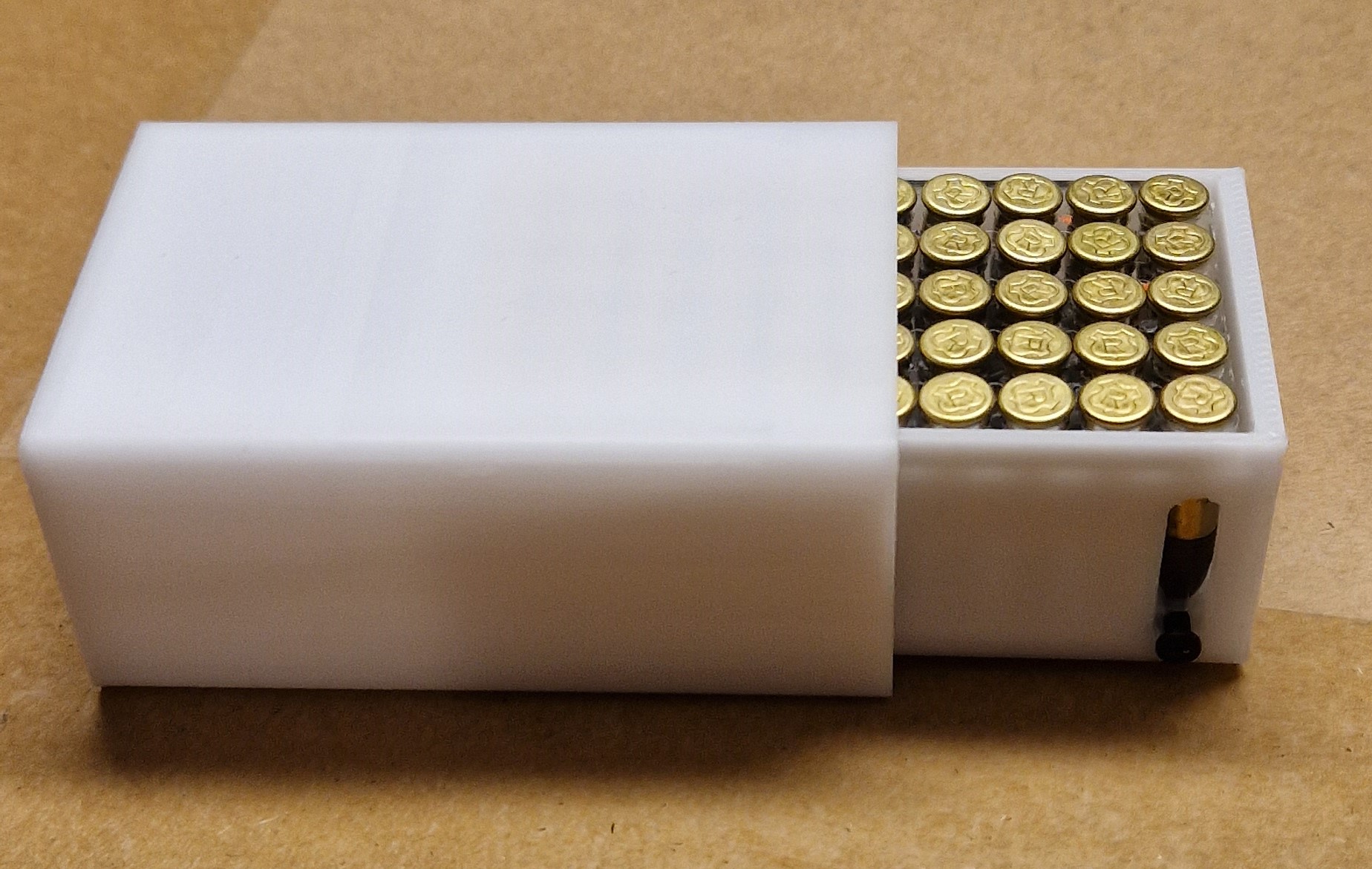
For rifle ammo, consistent cool storage between 55–70°F prevents propellant breakdown and velocity shifts, while humidity below 35% stops primer corrosion and case tarnishing. Never store loose rounds in bulk; use factory trays or sealed ammo cans with desiccant packs to block moisture exchange. .35 Remington Ammo for Sale Avoid wooden drawers or leather pouches, which wick humidity, and skip airtight vacuum bags that trap condensation when temperature fluctuates. If you live near a coast, silica gel in vented containers outperforms oiled cloths, which attract dust and retain moisture against brass. Follow this sequence:
- Inspect each round for cracks or green patina before boxing.
- Seal loaded magazines in zip bags with a desiccant sachet.
- Store cans off concrete floors on a shelf, checking humidity every season.
Rotate stocks annually to expose 6.5x57mm Mauser Ammo for Sale older batches to moderate, stable air—never attic heat or garage winter swings.
Recognizing Signs of Bad Ammo: Dents, Corrosion, and Loose Primers to Avoid
Before loading up, give each round a quick once-over. Bad rifle ammo often shows clear warning signs you can catch by eye and touch. Dents in the brass, especially near the case mouth or shoulder, can cause feeding failures or pressure spikes, so toss those aside. Corrosion appears as green crust or dark spots—it weakens the case and invites case separation. Also, gently press on each primer; if it moves, sinks, or isn’t flush, that loose primer risks a gas leak or a .338 Lapua Ammo for Sale misfire during firing. When in doubt, set the round aside for disposal, not your magazine.
Loading Magazines and Chambers Correctly to Prevent Misfeeds and Jams

Correct loading of magazines and chambers begins with seating rifle ammo fully to the rear of the magazine, ensuring the rim seats under the feed lips without tilting. Avoid thumbing rounds down in a staggered curve—stack them sequentially so the case body aligns with the follower’s angle, preventing nose-dive misfeeds. When charging the chamber, pull the bolt handle fully rearward and release it sharply; riding it forward lets the cartridge slip from the extractor groove, causing a jam. Always verify the bolt is closed and the extractor has snapped over the rim before trusting the next round. For detachable magazines, slap the base to confirm lockup, and never over-insert rounds beyond capacity—spring bind causes vertical feeding failures.
Answering Common Frustrations: Accuracy Issues, Feeding Problems, and Cleanup Tips
Chambering a fresh round only to have the bolt jam halfway home is a ritual frustration, often traced to ammo with slightly oversize case rims or burred extractor grooves. Accuracy issues, meanwhile, usually surface as fliers after the barrel heats—check your bullet seating depth against the rifling lands, since a .02-inch jump can turn a tackdriver into a shotgun pattern. For feeding problems, polish the feed ramp and test your magazine’s follower spring; weak springs cause nose-dive jams. Cleanup is where most shooters ruin accuracy: solvent residue left in the throat attracts carbon, so run a dry patch after wet cleaning, then a lightly oiled one down the bore only. Consistent accuracy is born from consistent case length and neck tension, not just premium powder.
If your rounds fail to feed, measure the overall length—once—and you’ll solve half your jams forever.
That disciplined check, plus a bore snake after every fifty rounds, keeps your rifle ammo performing like it’s supposed to.
Why Your Rifle Might Not Like a Certain Brand and How to Test for a Preference
Your rifle’s preference for a specific ammo brand comes down to chamber dimensions, barrel harmonics, and bolt face geometry—not quality. One brand’s case thickness, bullet seating depth, or powder burn rate can shift pressure curves, causing flyers or failure to extract, even if another brand cycles flawlessly. To test, clean your barrel, then shoot five three-shot groups with each candidate https://specialtysportsandsupplyltd.com/ brand from a rested position, allowing cooling between groups. Record group sizes and any malfunctions. Repeat the test on a second day to confirm consistency. This isolates the best-performing ammunition for your barrel, not the most popular or expensive option.
Q: Why might my rifle hate a certain brand even when it’s accurate in other rifles?
A: Tolerances vary. A slightly tight throat or a different rifling twist can alter how a bullet engages, making one brand’s projectile or case rim undersized for your action. Test with a simple ladder—five rounds each at 100 yards—and trust the data over reputation.
Dealing with Copper Fouling and Residue: Choosing Ammo That Keeps Your Barrel Cleaner
Copper fouling turns precision rifles into frustrating sprayers, so choosing ammo that minimizes residue is a smart defense. Jacketed bullets with proprietary coatings—like moly, polymer, or wax-based lubricants—dramatically reduce friction, preventing copper from welding to the bore’s micro-crevices. Look for **low-friction projectile designs** that promise cleaner burn and less buildup. A cooler, slower load also deposits less jacket material than a hot, fast one. If you want to test, fire five rounds, patch with solvent, and compare the blue-green stains.
Q: Does “clean” ammo really reduce copper fouling?
A: Yes—coated bullets and cleaner-burning powders leave up to 70% less residue, cutting Ammunition for Sale scrubbing time and preserving accuracy longer.
Zeroing In: How to Sight In Your Rifle With the Specific Load You Plan to Use
Zeroing with the specific load you intend to hunt or compete with eliminates the dreaded point-of-impact shift caused by bullet weight, velocity, and ballistic coefficient differences. Begin at 25 yards with a stable rest, firing three-shot groups to confirm mechanical accuracy, then move to your intended zero distance—typically 100 or 200 yards—while adjusting windage and elevation in precise, repeatable clicks. Record every adjustment in a log, noting temperature and altitude, because your chosen cartridge’s trajectory changes with atmospheric density. Always re-verify after cleaning, as copper fouling removal can alter barrel harmonics. Consistent cheek weld and trigger control are non-negotiable when validating that your specific load’s grouping stays centered; otherwise, you’re compensating for shooter error, not correcting rifle ammo alignment.